
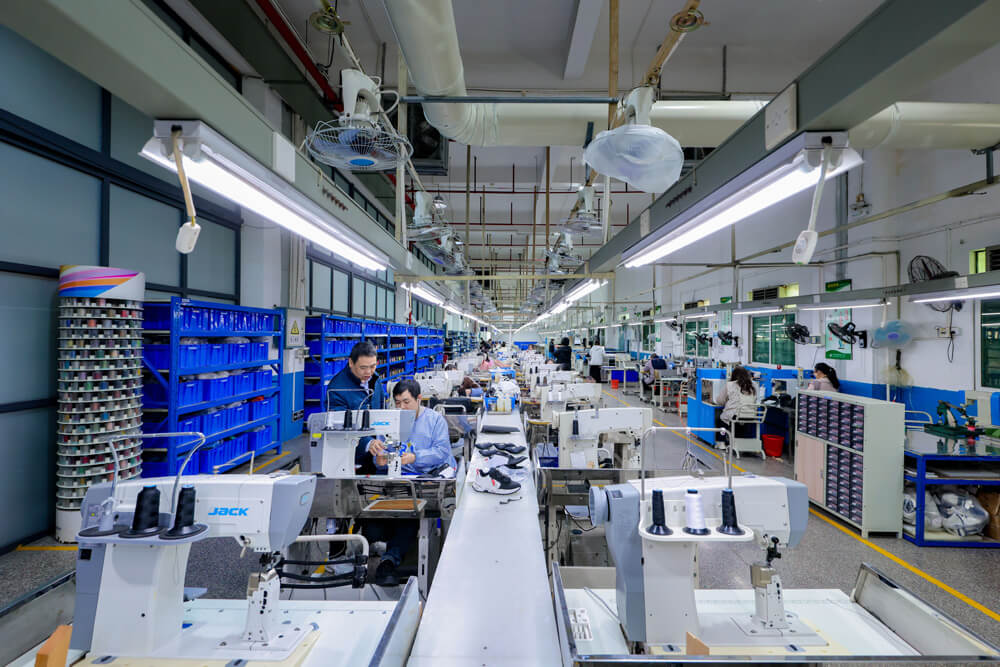
Choosing the right production partner can make or break your footwear brand. If you work with the wrong supplier, you may face delays, poor quality, or costly product recalls. On the other hand, a reliable factory can help you grow faster and deliver consistent products to your customers.
A Men’s Shoes Manufacturer plays a key role in your supply chain. They handle production, quality control, material sourcing, and delivery schedules. For B2B buyers, retailers, and private label brands, selecting the right partner is a strategic decision.
The global footwear market is highly competitive. Brands must balance cost, quality, and innovation. That’s why many companies spend months researching factories before signing a contract.
From experience in manufacturing partnerships, successful brands usually follow a clear evaluation process. They check factory capability, test product samples, review compliance standards, and build strong communication channels.
In this guide, you will learn practical steps to find a reliable footwear manufacturing partner. We’ll explore production capabilities, quality control systems, pricing models, and risk management strategies.
Whether you’re launching a new brand or expanding production, these insights will help you make confident decisions and avoid common mistakes.
Men’s Shoes Manufacturer
A Men’s Shoes Manufacturer is a company that produces footwear for brands, retailers, or distributors. These factories usually operate under private label, OEM, or ODM business models.
In simple terms, they turn your design ideas into finished products ready for sale.
Manufacturers typically provide several services:
- Footwear production
- Material sourcing
- Pattern development
- Sample creation
- Quality inspection
- Packaging and shipping
For B2B buyers, working directly with a factory often reduces costs. It also gives you more control over product quality and customization.
However, not all manufacturers are the same. Some focus on sports shoes. Others specialize in leather dress shoes or casual footwear.
Below is a simplified comparison:
| Factory Type | Specialization | Best For |
|---|---|---|
| Sports Shoe Factory | Athletic footwear | Sports brands |
| Leather Shoe Factory | Dress and formal shoes | Premium brands |
| Casual Shoe Factory | Sneakers, loafers | Lifestyle brands |
| Full-Service Factory | Multiple styles | Growing brands |
Choosing the right production partner depends on your product category and business goals.
You should also consider the factory’s export experience. Manufacturers familiar with international markets usually understand packaging rules, labeling requirements, and shipping procedures.
That experience can save you time and prevent costly mistakes.
Understanding Different Types of Shoe Manufacturing Facilities
Not every factory works the same way. In the footwear industry, production facilities often follow different business models. Understanding these models helps you choose the right partner for your brand.
The two most common models are OEM and ODM manufacturing.
OEM Production
OEM stands for Original Equipment Manufacturer. In this model, you provide the design and specifications. The factory only handles production.
This option works best if:
- You already have product designs
- You control branding and materials
- You want full ownership of the design
ODM Production
ODM means Original Design Manufacturer. Here, the factory already has designs ready. You simply choose a model and add your brand label.
ODM is often faster because the design process is already finished.
Benefits include:
- Faster product development
- Lower design costs
- Ready-to-use prototypes
Some factories also offer hybrid services. They start with existing designs but allow customization of colors, materials, or logos.
This approach is popular among new brands because it reduces risk while still offering product differentiation.
Evaluating Manufacturing Capabilities and Production Technology
Technology plays a big role in footwear production. Advanced machinery can improve precision, reduce waste, and increase productivity.
When evaluating a factory, ask about their production equipment.
Important machinery may include:
- Computerized cutting machines
- Automated stitching equipment
- Injection molding systems
- Quality testing machines
Factories with modern equipment often produce more consistent products.
Another key factor is material sourcing. A strong factory network includes reliable suppliers for leather, rubber soles, fabrics, and accessories.
Below is a simple evaluation checklist:
| Factor | What to Check |
|---|---|
| Machinery | Automation and maintenance |
| Material sourcing | Reliable suppliers |
| Skilled workers | Experienced technicians |
| Production capacity | Units per month |
A factory that invests in technology usually focuses on long-term growth. That’s a good sign for B2B buyers looking for stable partners.
Quality Control Standards in Footwear Production
Quality control is one of the most critical factors in shoe manufacturing. Even small defects can lead to customer complaints or returns.
Professional factories use structured inspection systems.
These usually include three stages:
Incoming Material Inspection
Raw materials are checked before production begins.
In-Line Inspection
Quality teams inspect products during the manufacturing process.
Final Product Inspection
Finished shoes are checked before packaging and shipping.
Testing may include:
- Flex testing
- Abrasion testing
- Adhesion strength testing
- Color consistency inspection
Many manufacturers follow international standards such as ISO quality systems.
For deeper insight into footwear testing procedures, organizations like the International Organization for Standardization provide useful guidance:
https://www.iso.org
Strong quality control protects your brand reputation and reduces risk.
Minimum Order Quantities and Pricing Structures
Pricing is always a key concern for B2B buyers. However, the cheapest factory is rarely the best choice.
Footwear manufacturing costs depend on several factors:
- Material quality
- Production volume
- Labor cost
- Packaging requirements
- Shipping methods
Factories usually require a Minimum Order Quantity (MOQ). This ensures production efficiency.
Typical MOQ ranges:
| Shoe Type | Typical MOQ |
|---|---|
| Leather shoes | 300–500 pairs |
| Sneakers | 500–1000 pairs |
| Casual shoes | 300–800 pairs |
Larger orders usually reduce the cost per unit.
Experienced buyers often negotiate:
- Price tiers for larger volumes
- Long-term contracts
- Shared material sourcing
These strategies can significantly reduce production costs over time.
Design Support and Product Development Services
Product development is where creativity meets manufacturing expertise.
Many factories provide design support to help brands refine their ideas.
These services may include:
- 3D shoe design
- Prototype development
- Material recommendations
- Fit testing
The development process usually follows several steps:
- Concept design
- Technical drawing
- Sample production
- Testing and revisions
- Final approval
Samples are extremely important. They allow you to evaluate quality before full production begins.
From experience, successful brands often test several sample versions before finalizing the product.
Patience during development leads to better long-term results.
Supply Chain Reliability and Delivery Performance
In the footwear business, timing is everything. Seasonal collections must arrive on time.
Late deliveries can cause major losses for retailers.
That’s why supply chain reliability matters.
Key factors to evaluate include:
- Production lead time
- Material sourcing speed
- Logistics coordination
- Inventory management
Many factories now use digital systems to track production progress.
These systems allow buyers to monitor:
- Production stages
- Quality checks
- shipping schedules
Reliable partners also maintain buffer inventory for key materials.
This reduces delays when supply shortages occur.
Certifications, Compliance, and Ethical Manufacturing
Global buyers increasingly demand ethical manufacturing.
Factories must follow labor regulations, environmental rules, and safety standards.
Common certifications include:
- ISO quality certification
- BSCI social compliance
- Environmental management standards
Ethical factories usually provide:
- Safe working conditions
- Fair wages
- Responsible material sourcing
For brands selling in Europe or North America, compliance is essential.
Failure to meet regulations can lead to import restrictions or brand damage.
Before selecting a factory, request certification documents and audit reports.
Transparency builds trust in long-term partnerships.
Communication, Transparency, and Partnership Building
Strong communication is the foundation of a successful manufacturing partnership.
Clear communication helps avoid misunderstandings about designs, specifications, and delivery dates.
Effective factories usually offer:
- Dedicated account managers
- Video factory tours
- Regular production updates
- Fast response times
Communication tools may include:
- messaging platforms
- online project management systems
From real-world experience, factories that communicate openly tend to resolve problems faster.
A good partnership is not just about production. It’s about collaboration and shared success.
Risk Management When Working with Overseas Suppliers
Working with overseas factories offers many advantages. However, it also introduces certain risks.
Common risks include:
- Production delays
- Quality disputes
- payment issues
- intellectual property concerns
Smart buyers reduce these risks through clear agreements.
Important safeguards include:
- Detailed contracts
- product specifications
- inspection standards
- staged payment terms
Many companies also hire third-party inspection agencies before shipment.
This extra step ensures the products meet expectations before leaving the factory.
Risk management protects both your brand and your investment.
Frequently Asked Questions
How long does shoe production usually take?
Production timelines usually range from 30 to 60 days after sample approval. The exact timeline depends on order volume, materials, and factory capacity. Planning early helps avoid delays, especially for seasonal collections.
What is the best way to evaluate a footwear factory?
Start by reviewing certifications, production equipment, and sample quality. Factory audits, video tours, and third-party inspections also help verify manufacturing capability. Reliable communication during early discussions is another strong indicator.
Can small brands work directly with factories?
Yes, many factories work with small and growing brands. However, they often require minimum order quantities. Some manufacturers offer flexible MOQs for startups during the initial collaboration phase.
Why are product samples important?
Samples allow you to evaluate design accuracy, material quality, and comfort. Testing samples before mass production helps identify problems early. This prevents costly corrections after large quantities are produced.
What factors affect footwear pricing?
Pricing depends on materials, production volume, design complexity, and labor costs. Packaging, shipping methods, and certifications may also influence the final price. Larger orders usually reduce the cost per pair.
How can brands protect their designs?
Brands can protect designs through confidentiality agreements, contracts, and trademarks. Working with trusted factories and maintaining clear documentation also helps reduce intellectual property risks.
Conclusion
Choosing the right production partner requires careful research and evaluation. A reliable factory can support your brand with quality products, consistent delivery, and long-term growth.
The best partnerships focus on transparency, quality control, and strong communication.
By evaluating manufacturing capability, compliance standards, pricing models, and development support, you can confidently select a partner that meets your business goals.
A thoughtful selection process may take time, but the results are worth it. The right manufacturing partner becomes more than a supplier—they become a valuable part of your brand’s success.
 English
  Chinese
  Japanese