
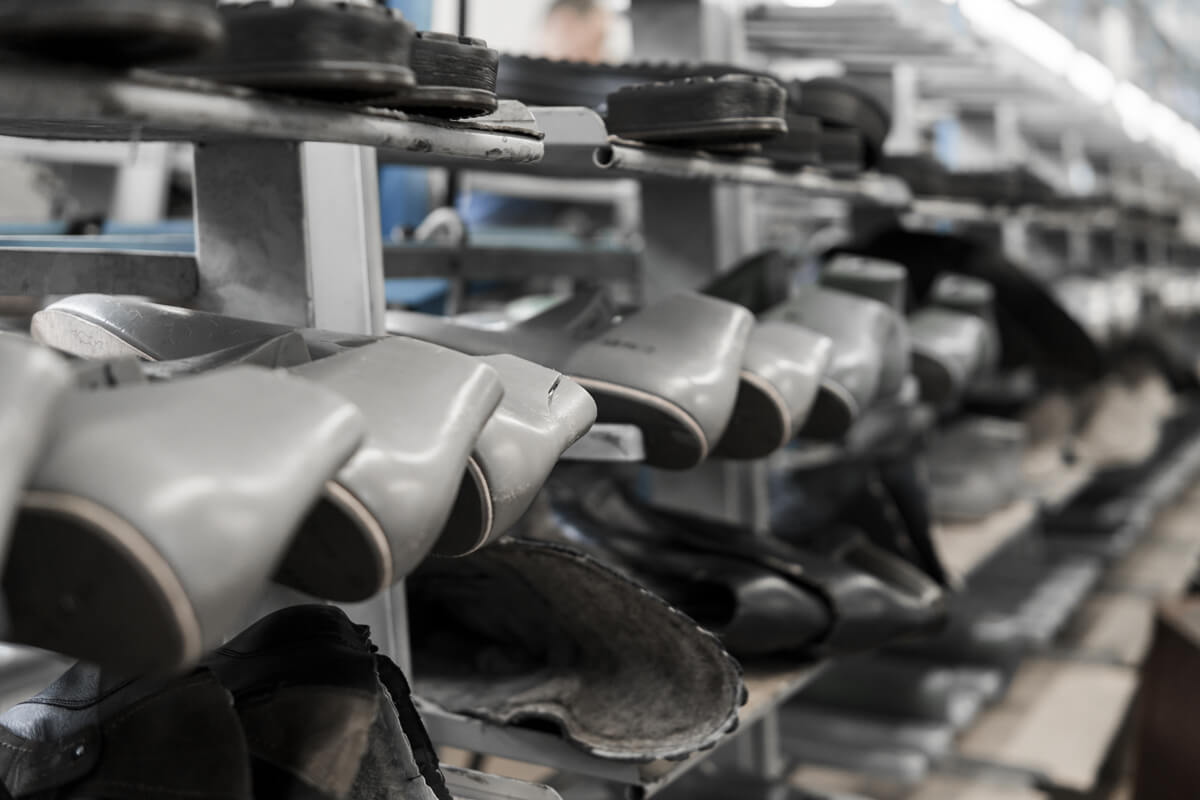
Sports footwear is one of the most competitive segments in the global footwear industry. Every year, millions of athletic shoes are produced for running, training, basketball, and everyday active lifestyles. Behind every pair is a detailed and carefully managed manufacturing journey.
Understanding the Sport Shoes Production Process helps brands, distributors, and private label buyers work more effectively with factories. When you know how the process works, you can make better decisions about materials, timelines, and quality control.
From our experience in footwear manufacturing, producing a high-quality pair of sports shoes requires many coordinated steps. Designers create the product concept. Engineers develop technical patterns. Skilled workers then cut materials, stitch components, assemble the shoe structure, and inspect every finished pair.
Each stage requires specialized equipment and trained staff. Even small mistakes can affect comfort, durability, or performance.
For brands working with manufacturers, knowledge of production stages also improves communication. Instead of simply placing an order, you can collaborate with the factory to improve efficiency and product quality.
In this guide, you will learn the key steps involved in sports shoe manufacturing. We will explore design development, material preparation, assembly techniques, and quality testing methods used in modern footwear factories.
By understanding these processes, your brand can create reliable products and build stronger partnerships with manufacturing suppliers.
Sport Shoes Production Process
The Sport Shoes Production Process includes several technical stages that transform raw materials into finished footwear ready for retail markets.
Although different factories may use slightly different workflows, most follow a similar production structure.
The main stages usually include:
- Product design and development
- Material preparation
- Cutting and pattern processing
- Upper stitching
- Midsole and outsole production
- Lasting and assembly
- Quality inspection
- Packaging and shipment
Each stage requires precise coordination between machines, technicians, and quality control teams.
The following table provides a simplified overview.
| Production Stage | Main Purpose | Key Equipment |
|---|---|---|
| Design Development | Create shoe concept | CAD design systems |
| Material Preparation | Prepare fabrics and components | Cutting machines |
| Upper Stitching | Assemble shoe upper | Sewing machines |
| Sole Production | Produce outsole and midsole | Molding machines |
| Lasting | Shape the shoe | Lasting equipment |
| Inspection | Check quality | Testing machines |
| Packaging | Prepare for shipping | Packaging lines |
Manufacturers must ensure that every stage works smoothly. A delay in one department can affect the entire production schedule.
For B2B buyers, understanding this workflow helps in planning realistic delivery timelines.
Footwear Design and Technical Development
Every sports shoe begins with an idea. Designers start by studying market trends, athletic performance needs, and consumer preferences.
The design stage transforms these insights into a product concept.
Typical steps include:
- Sketching shoe concepts
- Creating digital models
- Developing technical drawings
- Selecting colors and materials
Many factories use Computer-Aided Design (CAD) software. This technology allows designers to visualize the shoe before physical production begins.
Once the concept is approved, engineers create technical patterns. These patterns define the exact shape and dimensions of every component.
The development stage also includes prototype creation.
Factories produce sample shoes so brands can evaluate:
- Fit and comfort
- appearance
- material performance
- structural stability
Often, several sample versions are made before final approval.
Although this stage may seem time-consuming, it prevents expensive mistakes during mass production.
A well-developed design ensures smoother manufacturing and better product quality.
Material Selection and Component Preparation
Material choice plays a major role in sports footwear performance. Each component must provide durability, flexibility, and comfort.
Common materials used in athletic shoes include:
- Breathable mesh fabrics
- Synthetic leather
- EVA foam midsoles
- Rubber outsoles
- TPU reinforcement parts
Manufacturers carefully evaluate materials based on strength, weight, and flexibility.
For example, mesh fabrics allow airflow during physical activity. EVA foam provides cushioning and shock absorption.
Below is a simplified component breakdown.
| Component | Typical Material | Function |
|---|---|---|
| Upper | Mesh / Synthetic leather | Breathability |
| Midsole | EVA foam | Cushioning |
| Outsole | Rubber | Traction |
| Insole | Foam | Comfort |
Reliable factories maintain strong relationships with material suppliers. This ensures consistent quality and stable supply.
Material testing also occurs during this stage.
Tests may evaluate:
- Tear resistance
- color stability
- elasticity
- abrasion resistance
Organizations like the American Society for Testing and Materials provide standards for product testing:
https://www.astm.org
These standards help ensure footwear safety and performance.
Cutting and Pattern Processing in Shoe Factories
After materials arrive at the factory, the cutting stage begins.
This process involves shaping fabrics and synthetic materials according to design patterns.
Factories usually use two methods:
- Manual cutting
- Computerized cutting machines
Modern factories prefer automated cutting systems. These machines improve precision and reduce material waste.
The process generally includes:
- Layering material sheets
- placing pattern templates
- cutting components
- sorting pieces for stitching
Accuracy during cutting is extremely important. Even a small measurement error can affect the final shoe fit.
Manufacturers often organize cut components into production bundles. These bundles move through the factory assembly line.
Efficient cutting operations help maintain production speed and reduce manufacturing costs.
Upper Stitching and Assembly Operations
The upper part of the shoe is the section that covers the foot. It is created by stitching multiple material pieces together.
This stage requires skilled workers and advanced sewing equipment.
Common stitching processes include:
- Panel stitching
- Reinforcement stitching
- Logo embroidery
- Eyelet installation
The stitching line is one of the busiest areas in a footwear factory. Workers assemble dozens of components into a complete upper structure.
Reinforcement is also important. Areas around the toe, heel, and lace holes often receive additional stitching for strength.
Below is a simplified workflow.
| Step | Operation |
|---|---|
| Panel stitching | Join fabric components |
| Reinforcement | Strengthen high-stress areas |
| Logo application | Apply brand identity |
| Upper completion | Final inspection |
Once completed, the upper section moves to the assembly department.
Midsole and Outsole Manufacturing
The sole is one of the most technical parts of a sports shoe. It determines traction, cushioning, and durability.
Two main components make up the sole system.
Midsole
Provides cushioning and shock absorption.
Outsole
Contacts the ground and provides grip.
Factories usually produce these parts using molding machines.
Popular production methods include:
- Injection molding
- compression molding
- rubber vulcanization
Each method offers different performance advantages.
Rubber outsoles often feature complex traction patterns. These patterns improve grip on various surfaces.
Meanwhile, midsoles made from EVA foam provide lightweight cushioning for athletes.
The combination of these materials creates a balanced performance structure.
Lasting and Shoe Assembly Techniques
Lasting is the process that gives the shoe its final shape.
Factories use a special foot-shaped mold called a “last.” The upper is stretched over the last to form the shoe structure.
This stage usually involves:
- Toe lasting
- side lasting
- heel lasting
After shaping, the sole components are attached to the upper.
Common attachment methods include:
- adhesive bonding
- stitching
- molding integration
The assembled shoe then passes through heating equipment. Heat activates adhesives and secures the bonding structure.
Proper lasting ensures that the shoe maintains its shape during use.
It also affects comfort and fit for the wearer.
Quality Inspection and Durability Testing
Quality control is essential in footwear manufacturing. Every pair must meet performance and safety standards.
Factories perform several inspections during production.
Typical tests include:
- Flex testing
- outsole abrasion testing
- bonding strength tests
- visual inspection
Quality teams check for defects such as:
- uneven stitching
- loose components
- surface damage
Inspection occurs both during production and after final assembly.
Only products that pass all quality checks move forward to packaging.
Strong quality systems protect brand reputation and reduce return rates.
Branding, Packaging, and Product Finishing
After inspection, the shoes enter the finishing stage.
Here, factories apply branding elements and prepare products for retail.
Branding steps may include:
- logo printing
- label attachment
- product coding
Packaging also plays an important role in product presentation.
Typical packaging components include:
- shoe boxes
- tissue wrapping
- product tags
- instruction inserts
Packaging must also protect the shoes during transportation.
For export orders, manufacturers follow international shipping standards to ensure products arrive safely.
Supply Chain Management and Production Planning
Efficient supply chain management helps factories deliver products on time.
Production planning includes:
- material procurement
- factory scheduling
- inventory management
- shipping coordination
Lead time for sports footwear usually ranges between 30 and 60 days depending on order size.
Manufacturers must balance production capacity with order demand.
Strong planning reduces delays and improves customer satisfaction.
Frequently Asked Questions
How long does it take to manufacture sports shoes?
Production usually takes four to eight weeks after sample approval. The timeline depends on order quantity, material availability, and factory capacity. Efficient planning and clear communication between brands and manufacturers help maintain reliable delivery schedules.
What materials are commonly used in sports shoes?
Sports shoes often use mesh fabrics, synthetic leather, EVA foam midsoles, and rubber outsoles. These materials provide breathability, cushioning, flexibility, and traction. Manufacturers select materials carefully to balance comfort, durability, and performance.
Why is the lasting process important?
Lasting shapes the shoe and ensures proper fit. During this stage, the upper material is stretched over a mold. If lasting is poorly done, the shoe may feel uncomfortable or lose its shape after regular use.
What quality tests are performed on sports shoes?
Factories conduct several tests including flex resistance testing, abrasion resistance, and bonding strength tests. These evaluations ensure that the footwear can withstand daily athletic activity and maintain structural integrity.
How do brands ensure manufacturing quality?
Brands often conduct factory audits and request product samples before mass production. Many also hire third-party inspection agencies to verify quality standards before shipment.
Can small brands produce custom sports shoes?
Yes, many manufacturers offer private label production services. Small brands can customize designs, materials, and logos. However, factories may require minimum order quantities to maintain efficient production.
Conclusion
Producing high-quality athletic footwear requires coordination, expertise, and advanced manufacturing technology.
From design development to final packaging, each step contributes to the performance and durability of the finished product.
Understanding the Sport Shoes Production Process allows brands to collaborate effectively with manufacturers and ensure reliable product quality.
When factories follow structured production systems and strong quality control standards, brands can deliver footwear that meets the expectations of athletes and everyday consumers.
 English
  Chinese
  Japanese